
Outdoor Living Space FAQ: Cost, Planning, Permit, And Maintenance Questions Answered For New Jersey Homeowners
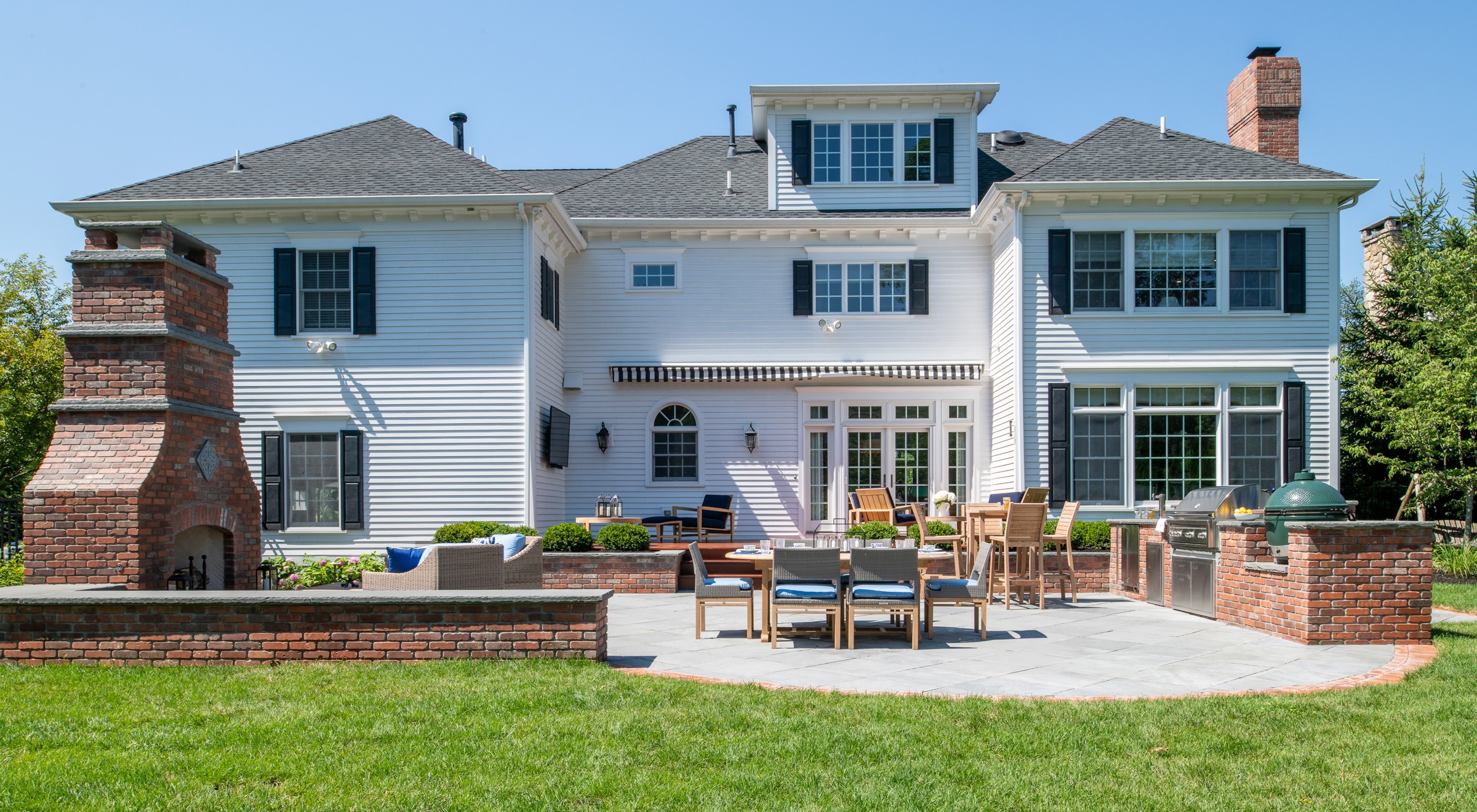
Most Morris County homeowners researching an outdoor living project have the same questions: what will the space cost, how long does it take, what permits do I need, and what does maintenance look like year to year? Relying on national guides to answer these questions won’t get you answers that account for Northern New Jersey’s high labor rates, clay soil conditions, and strict municipal permit timelines.
If you want a realistic estimate, you need localized data.
Since 1976, Limbach’s Landscaping has provided precise answers for how these projects actually work in our region. This FAQ breaks down local permit hurdles, seasonal timelines, and realistic outdoor living space costs so you can plan with confidence.
If you’re planning a project and want to cross-reference these answers with a broader overview, our Complete Guide to Luxury Landscape Design covers the full design-to-build process.
How much does an outdoor living space cost in Northern New Jersey?
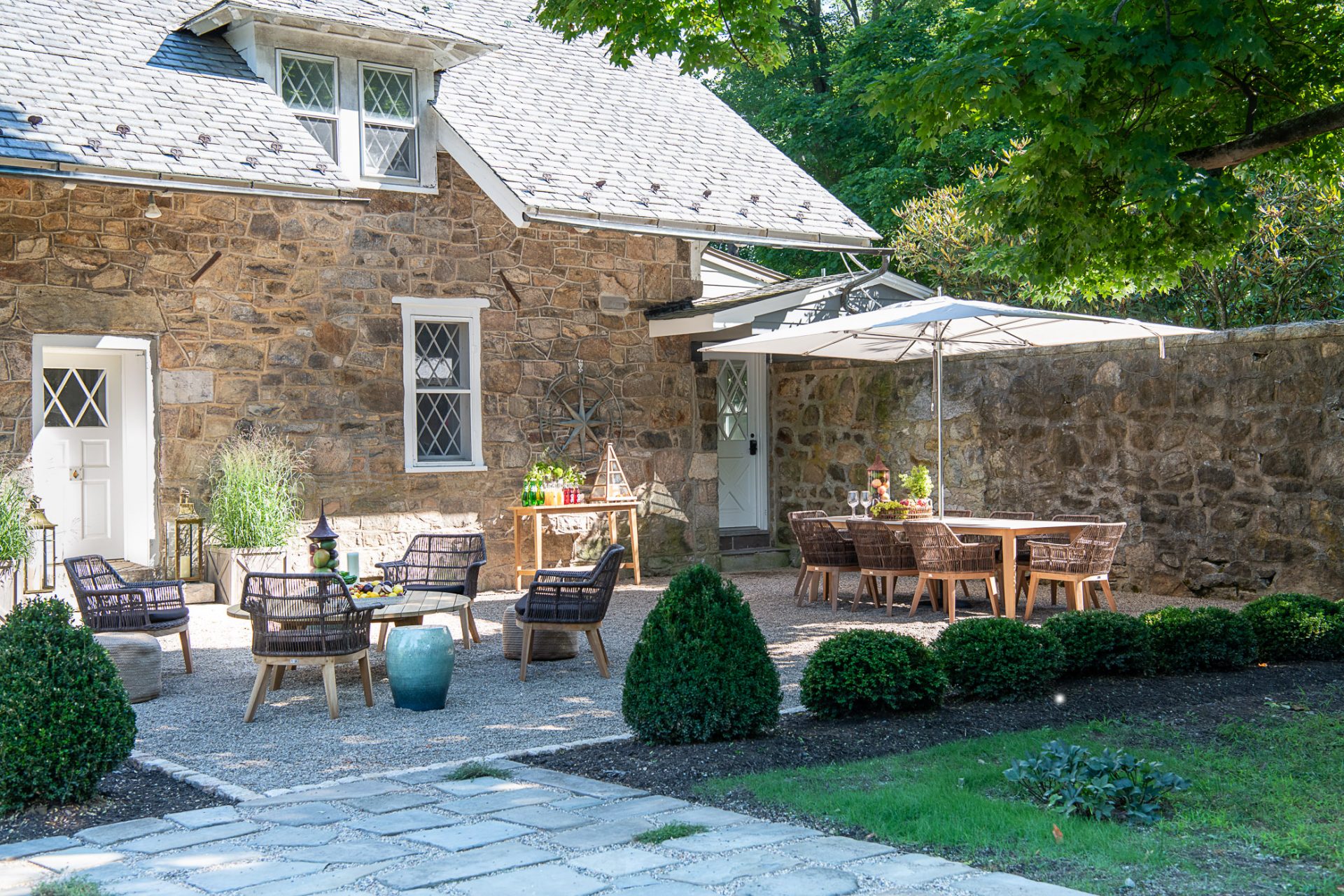
The honest truth to note from the start is this: outdoor living space costs in New Jersey run higher than national averages. While scope, site conditions, and materials all influence the final investment, labor and material costs in Morris County consistently exceed what you’ll find in generic online calculators. Use those national guides as a floor, not a ceiling.
Here’s how projects in this region typically break down:
- Entry Tier ($50,000–$75,000): A well-designed patio with a fire pit and plantings, built on a flat site with good drainage and no significant grading.
- Mid-Range Tier ($75,000–$150,000): An outdoor kitchen, custom patio, pergola or covered structure, fire feature, and integrated lighting. Site complexity and appliance selections will position you within this range.
- Estate Tier ($150,000-$500,000): Full, multi-zone outdoor living spaces featuring pool integration, an outdoor kitchen, a custom pavilion or pool house, and professional lighting. This scope is common across Summit, Short Hills, and Bernardsville.
(Please note: These price ranges reflect current 2026 labor and material rates. They assume professional design and build execution and exclude ongoing maintenance as well as pool construction costs.)
Ultimately, the most accurate way to understand the true cost of designing and building an outdoor living space for your specific property is a direct site consultation, not a national cost estimator built on ZIP code averages.
What permits do I need for an outdoor living space project in Morris County?
Most outdoor living projects require at least one permit, and many require several. This is because multi-feature backyard builds typically involve a combination of structural masonry, utility extensions, and site grading, all of which trigger independent municipal reviews.
While requirements vary by township, your project will generally involve a combination of these permit categories:
- Zoning Permits: Typically required for the footprint and exact placement of patios, walkways, driveways, pergolas, and fences to ensure compliance with property setbacks and strict local impervious coverage limits.
- Building Permits: Required for structural elements including custom outdoor kitchens, stone fireplaces, masonry walls, any features utilizing concrete foundations, pools, and pavilions.
- Electrical Permits: Necessary for any low-voltage or line-voltage wiring, including outdoor outlets, dedicated landscape lighting systems, and pergola accessories such as ceiling fans and ambient heaters.
- Plumbing Permits: Triggered by utility connections, specifically for built-in gas grills, custom fire pits, outdoor fireplaces, and pool heaters.
- Engineering Permits: Required for advanced site work, including structural retaining walls over 4 feet, stormwater management systems, and formalized grading and drainage plans.
Additional permitting considerations:
- Permit Verification: Do not rely on a contractor’s claim that a permit isn’t needed. Check with your town hall first, as unpermitted work can delay future property sales, void homeowner’s insurance, and create liability issues.
- Processing Timelines: Local permit processing generally takes 2 to 6 weeks. Factor this administrative window into your planning.
- Municipal Regulations: Rules vary by municipality. Morristown, Chatham, Madison, Summit, and Harding Township each run independent building and zoning departments with distinct requirements and approval timelines.
- Utility Marking: Ensure your builder contacts NJ 811 to mark underground utility lines before any excavation begins.
How long does an outdoor living space project take from start to finish?
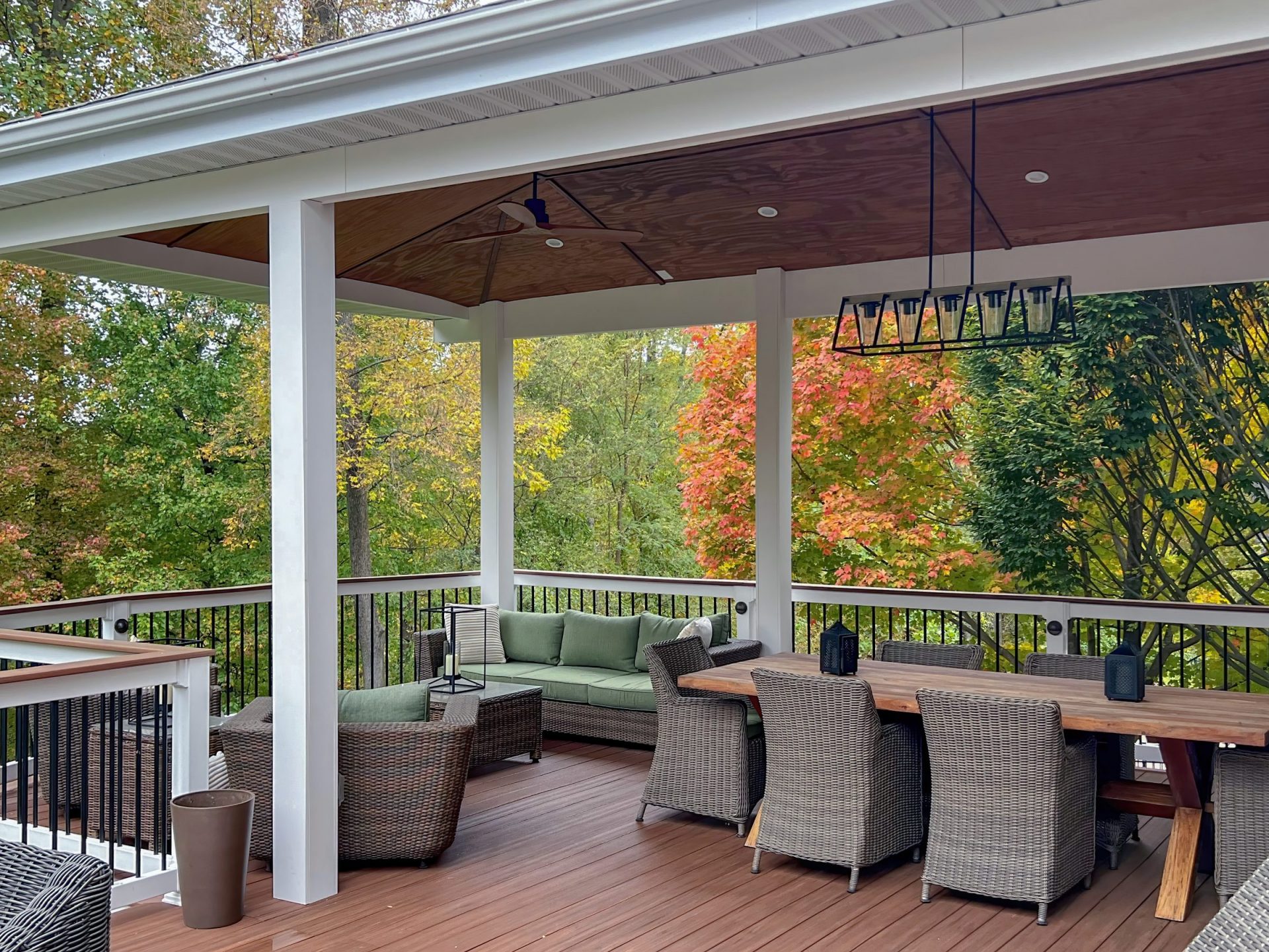
A realistic timeline for a typical outdoor living project that involves a few coordinated features—such as an outdoor kitchen, patio, pergola, and lighting—runs 16 to 52 weeks from the first consultation to the final walkthrough. Factors like complex local zoning reviews, custom material orders, seasonal winter pauses, and your own scheduling availability dictate where your project falls in that range.
Here is how that timeline breaks down:
- Design and Permit Phase (4-8 weeks): Site assessment, design iterations, and local permit approvals.
- Construction Phase (4–16 weeks): Site preparation, hardscaping, and structural builds, depending on scope and site complexity.
- Planting and Finishing Phase (1–2 weeks): Softscaping, lighting calibration, and final property details.
Keep in mind that New Jersey springs are famously unpredictable. A reputable contractor builds weather contingencies directly into your master schedule and communicates proactively if delays occur.
Because the spring construction window (April–June) is highly competitive in Morris County, firms with strong reputations book 3 to 6 months in advance. Homeowners who start planning conversations in November or December position themselves perfectly for an April start, while those who wait until March often miss the season entirely.
If these timelines fit your goals, now is the right time to start the conversation. We will visit your property and give you an honest, no-obligation picture of what your site can support. Request a Consultation.
Can I do part of this project myself to reduce costs?
Some elements can be handled independently, but the features most homeowners want to tackle in order to keep their budget lower—like hardscaping, gas connections, and structural features—are precisely the ones that require municipal permits, licensed trades, or engineering sign-off in New Jersey.
Here is what is realistic to manage yourself versus what requires a professional:
- Genuinely DIY-Friendly: Supplementing plantings after the heavy hardscape is complete, routine bed maintenance, and choosing decorative elements like outdoor furniture and accessories.
- Strictly Professional-Only: Complex residential services that require specialized tools, licensed trades, or building inspections:
- Pools & Structures: Custom pool installation, poolscaping, and structural landscape construction.
- Outdoor Living Features: Building out outdoor kitchens, pergolas, gazebos, water features, and fire features.
- Utilities & Engineering: Gas line connections (which require an NJ-licensed plumber or gas fitter), wiring outdoor lighting (path, accent, or hardscape lights), and retaining walls over 4 feet (which require structural engineering sign-off in most Morris County townships).
Investing in a professional design-build team typically pays for itself by preventing costly re-work and hidden structural problems. Northern New Jersey’s heavy clay soils and severe freeze-thaw cycles are entirely unforgiving of shortcuts; a patio built on an improperly prepared subgrade that heaves after its first winter will cost far more to tear out and fix than it would have to build correctly the first time.
What’s the best time of year to start an outdoor living project in Morris County?
Because outdoor construction involves everything from paperwork to planting, each season offers a distinct practical advantage for your project:
- Spring (April–May): This is the preferred start for projects where immediate planting establishment is a priority. The local growing window across Morris County’s Zone 6b/7a runs from May through October, so a spring start give new softscaping root systems a full season to mature.
- Fall (September–October): This window perfectly suits hardscape-focused projects—such as custom patios, retaining walls, and outdoor kitchens—where the majority of planting can hold until the following spring. Ground conditions in Northern New Jersey are typically much drier in September than they are during the April spring thaw, making heavy excavation far more efficient.
- Winter & Early Spring (November–March): The ideal window to handle the logistical side of a project. Using these months for design development and navigating local permit approvals ensures you beat the spring rush. Additionally, construction doesn’t completely freeze out; during mild winter stretches, crews can often pour concrete foundations and build hardscape structures well ahead of the spring season.
Regardless of when excavation begins, the best time to hire your team is one to two seasons ahead of planned start. Quality builders in Morris County are routinely booked 3 to 6 months in advance for the spring season. If you are aiming for an April construction start, October or November is the right time to begin planning conversations.
How do I maintain an outdoor living space through a New Jersey winter?
A premium outdoor space requires proactive care to withstand severe Northern New Jersey winters.
Keep this seasonal checklist in mind:
- Fire Features: Inspect wood-burning chimneys annually, and get a professional line check for gas features every spring.
- Hardscapes: Inspect paving after the spring thaw for heaving, cracking, or joint separation, top off polymeric sand as needed, and periodically seal natural stone.
- Ice Warning: Never use traditional rock salt. It forces water into porous stone and concrete, causing surfaces to flake and pit when it freezes. Use calcium chloride or sand instead.
- Water Features: Winterize before the late-October freeze by draining pumps, removing equipment, and covering decorative bowls.
- Plantings: Water new installations during dry spells for two seasons, and clear out fall debris to prevent winter plant disease.
- Lighting: Inspect wire connections annually and replace damaged fixtures before winter to block water intrusion. For details on professional care, see our outdoor lighting services.
Do I need to hire a separate landscape architect, or can one firm handle design and build?
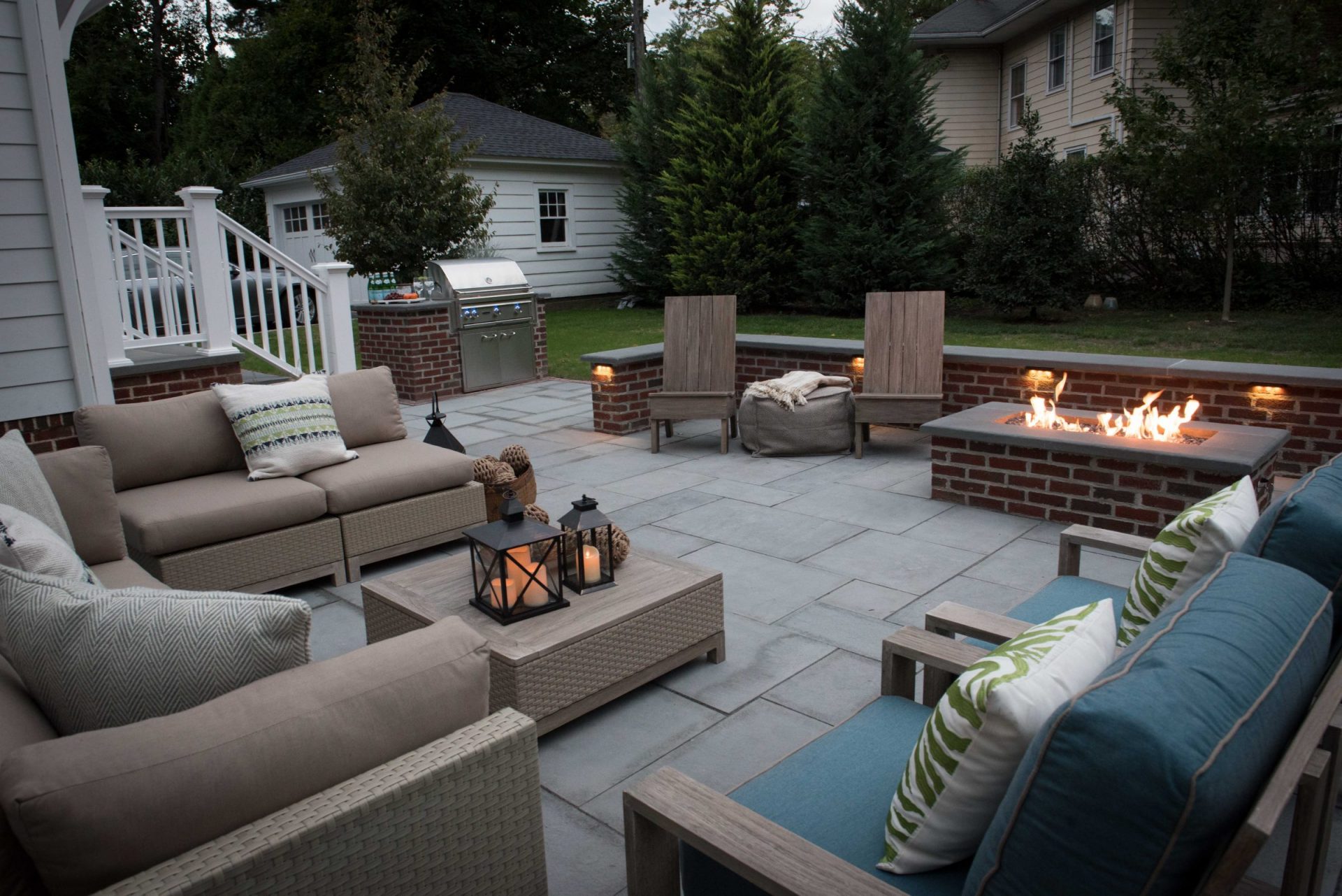
While some homeowners assume they need to contract a separate landscape architect to achieve a high-end look, it is rarely necessary. A comprehensive design-build firm can handle both creative planning and construction under one roof.
As a premier design-build company, Limbach’s manages this entire process seamlessly from start to finish. On rare occasions where a property involves unique environmental factors or requires stamped engineering drawings, we will bring a trusted architect or engineer onto the team under our own management. This keeps your project streamlined and saves you from having to act as the middleman between an outside designer and a separate contractor.
The practical advantages of a unified design-build team include:
- A single point of contact: From the first design concepts to the final masonry and planting, you only ever have to communicate with one dedicated team.
- No lost details: Because the crew building your space works directly alongside the person who designed it, your vision is executed as planned, with nothing lost in translation.
- Fewer budget surprises: Unexpected expenses often happen when an outside contractor misinterprets a separate designer’s blueprints. A design-build model eliminates this gap because the builders and designers work together from day one.
- No finger-pointing: If an unexpected structural or drainage issue pops up on-site, there are no separate companies to blame each other. The firm owns both the design and the construction, so they simply take care of the solution.
For homeowners researching premium outdoor living space options in NJ, our outdoor living space services are a great place to start. We also offer comprehensive landscape design services for Morristown NJ and the surrounding regions.
If you want a deeper look at the design-build process from initial concept to final walkthrough, check out our Complete Guide to Luxury Landscape Design.
Your Outdoor Living Project Starts with the Right Information
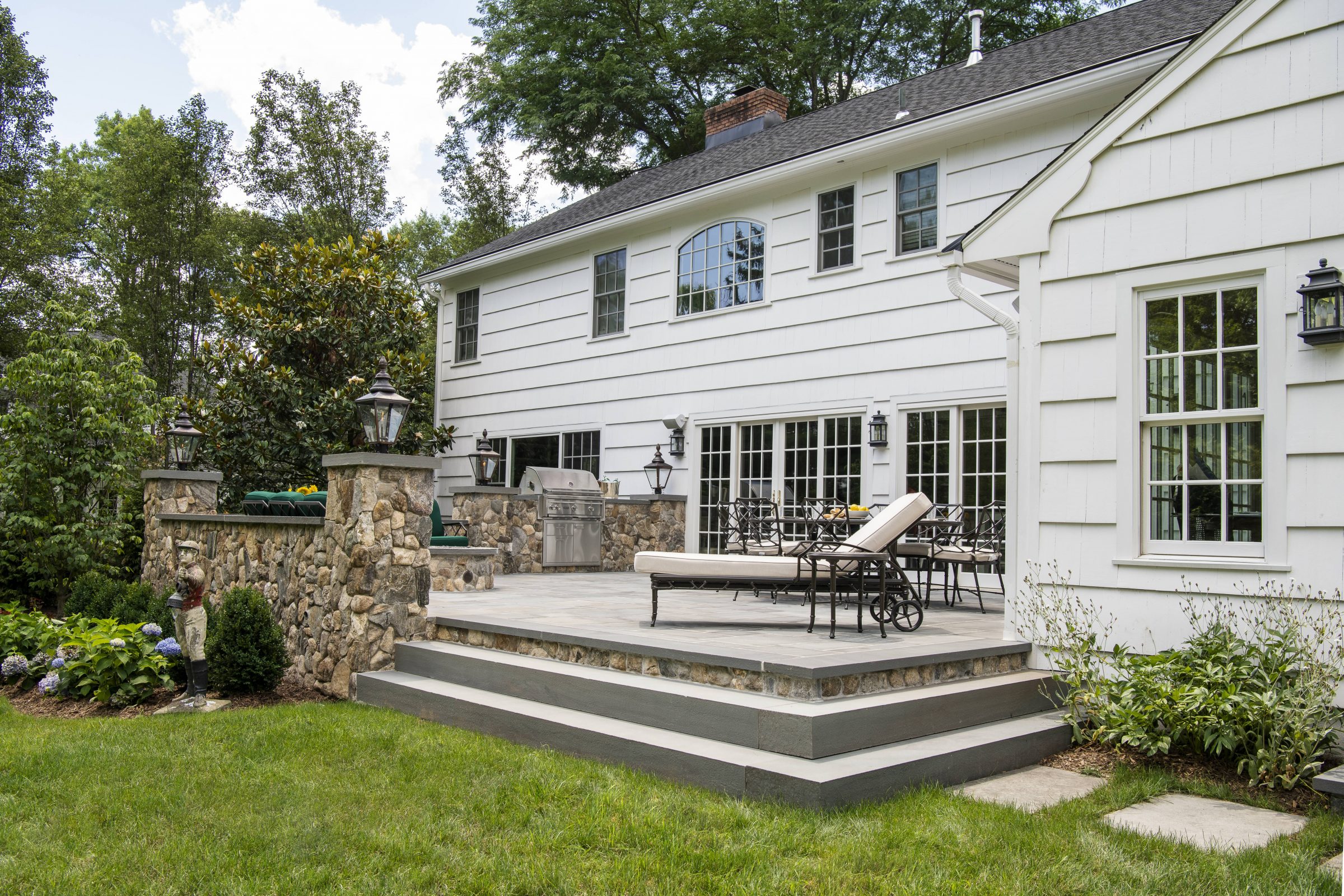
A premium outdoor living space is a major investment that completely redefines how you experience your home, but achieving an enduring result requires balancing your design vision with the realities of local budgets, municipal permits, and New Jersey’s unpredictable weather patterns. Cutting corners on engineering or opting for quick DIY fixes often backfires, leading to costly structural failures down the road. By adopting a unified design-build approach instead, you ensure that everyone from the designer to the excavation crew is aligned on a single, coordinated plan engineered to withstand the local climate for years to come.
Since 1976, Limbach’s Landscaping has been transforming properties across Morris County and the surrounding Northern New Jersey communities with precision and care. Ready to explore your property’s full potential? Request a Consultation today to receive an honest, professional assessment of your site.
Summary
Outdoor living projects in Northern New Jersey involve more than design choices; they also require thoughtful planning, permitting, and ongoing care to ensure your property can thrive. This guide serves as a practical resource for navigating the true cost of outdoor living space design and build, from materials to permits to time. Combining these insights with an experienced landscape design team allows you to streamline your timeline, avoid structural re-work, and protect your investment from the start.
Tags: