
12 Outdoor Living Space Ideas for Northern New Jersey Homeowners
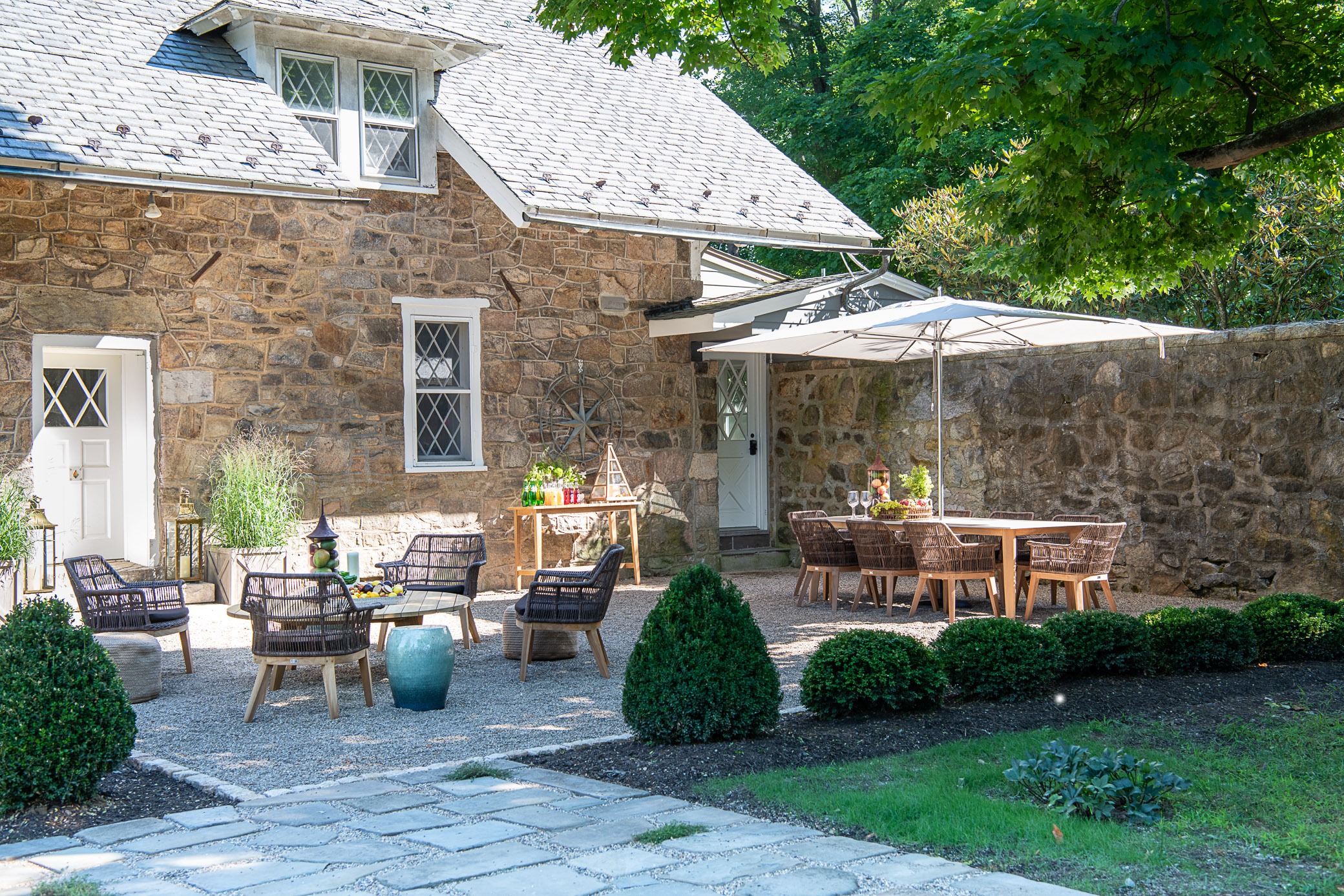
Most guides to outdoor living space ideas are written for somewhere else. The pergolas with linen drape panels and unsealed natural stone countertops photograph beautifully in a warm climate, but they simply weren’t engineered for Northern New Jersey. If you’ve scrolled through online lists of backyard concepts and felt a disconnect, your intuition is correct.
Following generic advice usually leads to a frustrating—and expensive—reality check. When you install features built for Arizona in New Jersey, a single harsh February can ruin the investment. Unsealed natural stones crack under heavy frost, poorly anchored structures heave as our clay soils shift, and thousands of dollars in trendy design choices end up warped, stained, or broken before the next spring even arrives.
Closing the gap between online inspiration and regional reality requires looking at what your specific property needs to thrive here. The 12 ideas below offer clear, enduring solutions tailored directly to our regional architecture, unique soils, and four-season climate. Whether you are planning a complete transformation or looking to phase your investment over time, this list is grounded in the reality of how we live in Northern New Jersey.
The Northern New Jersey Climate Filter
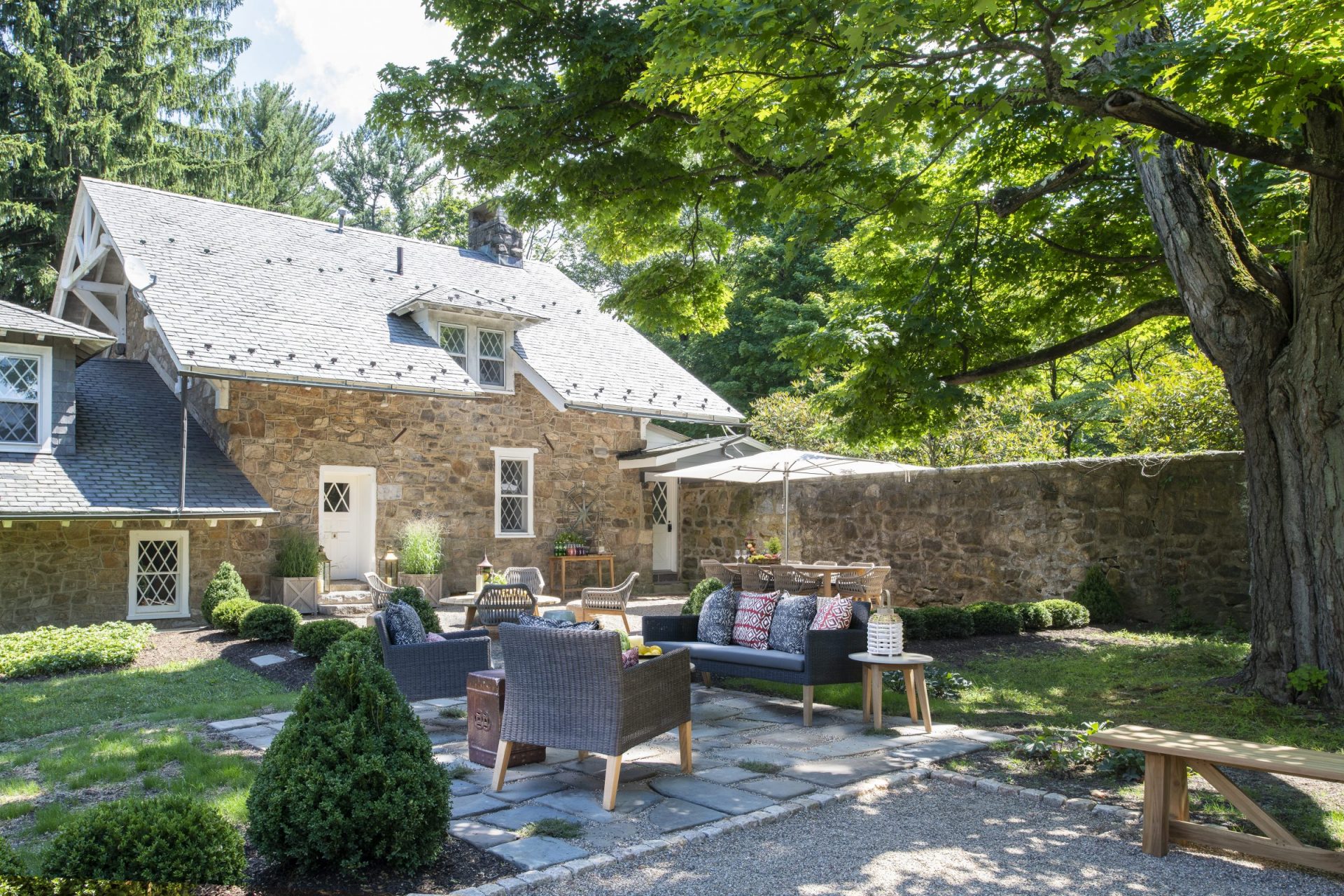
Our region sits squarely within USDA Plant Hardiness Zones 6b and 7a, experiencing winter lows between 0°F and 10°F, a deep ground freeze from November through March, and summer humidity much higher than national design blogs assume. For a homeowner, these aren’t just weather statistics—they are structural constraints. The heavy clay soils common across Morris County consistently heave during winter freeze-thaw cycles, meaning an improperly anchored structure or unsealed stone will shift and crack within a few seasons.
Because of these conditions, material choices, foundation depths, drainage engineering, and plant selections can never be generic. Every option on this list has been filtered through these regional realities to ensure it holds up across all four seasons.
For the full picture on how these ideas come together, see our complete luxury outdoor living spaces guide for NJ homeowners.
Our top Outdoor Living Design Recommendations for Northern New Jersey
Translating the climate realities of Northern New Jersey into a functional layout requires moving past generic catalog features. The 12 ideas below represent proven, structural solutions designed to complement local architecture while enduring our distinct four-season environment. From built-in features to long-term planning frameworks, each approach is tailored to help you get more usable time out of your property.
1 – A Built-In Outdoor Kitchen with a Year-Round Gas Connection
For Morris County homeowners who entertain through late autumn, a built-in outdoor kitchen anchors the patio as a distinct room rather than a mere staging area for a portable grill. Outdoor kitchen design in NJ demands specific materials: marine-grade stainless steel for appliance housings, porcelain slab countertops (as unsealed natural stone often fails during freeze-thaw cycles), and powder-coated aluminum cabinet frames that endure January weather without the maintenance burden of wood.
Permit note: Any project involving a gas line requires a permit from your local township and must be installed by a licensed contractor. The line is inspected by the municipal code official to make sure everything is safe and up to code before the project wraps up. Having that official sign-off protects your property and keeps things simple when it’s eventually time to sell.rty.
2 – A Wood-Burning or Gas Fireplace as the Anchor Feature
Shoulder-season evenings from September through November bring crisp 40-degree temperatures that are frequently accompanied by wind. A structural fireplace provides radiant heat and wind protection that an open fire pit simply cannot. In towns like Summit and Bernardsville, architectural continuity matters: use bluestone for the hearth, fieldstone facing for traditional homes, or clean-lined cast stone for transitional architecture. A masonry fireplace requires a concrete footing poured below the 36-inch frost line, as well as specific setback distances that vary by township—critical details to resolve during the initial design stage..
3 – A Fire Pit Circle with Moveable Seating
A fire pit circle offers a more spatially flexible alternative to a full masonry fireplace and works exceptionally well for multi-generational families. Using moveable seating rather than fixed built-ins allows the space to easily adapt from formal gatherings to informal evening lounge areas. From a practical standpoint, a gas fire pit with a manual shutoff provides excellent safety—eliminating ash, flying embers, and any ambiguity about whether the fire is completely extinguished. It also sidesteps periodic dry-summer burn bans, which typically restrict open wood fires but permit managed gas appliances.
Zoning note: Local ordinances regulate everything from container dimensions to strict clearance minimums—often requiring fire pits to sit 15 to 25 feet away from structures and property lines. Before finalizing your layout, check your specific municipal regulations regarding setbacks and smoke nuisance laws to ensure your design complies with local fire codes.
4 – A Pergola Engineered for NJ Snow Load
South- and west-facing patios in Morris and Somerset Counties can become intensely hot from 2:00 to 6:00 p.m. in July without shade. A pergola woven with climbing plants—such as Virginia creeper or climbing hydrangea, which are both resilient in Zone 6b winters—provides a dappled, seasonal shade. Visually, material choice should respect local architecture. Clear-grade cedar beautifully suits historic Morristown or Madison homes, while sleek, powder-coated aluminum is better tailored for contemporary properties in Chatham or Short Hills.
Design requirement: New Jersey building subcodes require outdoor structures to handle a minimum 30 to 35 lb/sq ft ground snow load.
5 – A Multi-Zone Patio Layout with Distinct Dining, Lounging, and Cooking Areas
Spatial zoning—defining distinct spaces through material changes, subtle grade steps, or soft planting borders—is what separates a true outdoor room from a concrete slab with furniture on it. In towns like Summit and Short Hills, where refined residential architecture is the norm, zoning creates outdoor spaces that feel intentional rather than accidental. In the context of luxury landscaping design, multi-zone layouts are among the highest-value decisions you can make: they are incredibly difficult to retrofit later, but simple to map out correctly from the start. This planning happens on a precise site plan that balances sun angles, structural sightlines, and how each zone flows naturally from your interior doorways.
6 – Integrated Landscape Lighting for Three-Season Evening Use
Properly designed landscape lighting allows you to comfortably enjoy your property from April all the way through November. A well-lit landscape effectively captures 30 to 40 additional evenings per year that an unlit patio misses entirely. The most effective approach relies on layering: soft ambient lighting for atmosphere, focused task lighting for cooking stations or pathways, and subtle accent lighting to highlight specimen trees and architectural masonry. Check out our outdoor lighting services page to see examples of these options, from path lights and hardscape lighting to specialized moon lights.
Construction note: Be sure to run all electrical conduit during the initial hardscape excavation. Retrofitting wiring through finished, compacted paving later is an expensive, easily avoidable mistake.
7 – A Water Feature Sized to Match Your Property’s Landscape
The right water feature depends entirely on the site. A naturalistic stream beautifully suits sloped lots in Bernardsville or Basking Ridge, where the natural grade drives the flow. Conversely, a reflecting pool is ideal for flat lots in Madison or Summit, where formal architecture calls for still water and symmetry. In smaller Chatham or Westfield gardens, a simple architectural fountain works perfectly as an accent where scale demands restraint.
Winterization note: Regardless of style, any water feature must be properly blown out and shut down before temperatures drop below freezing—typically late October to early November in North Jersey. Leaving pumps and exposed lines to freeze causes catastrophic cracking, resulting in repair costs that far exceed the price of seasonal maintenance.
8 – Poolscaping That Integrates the Pool Into the Landscape
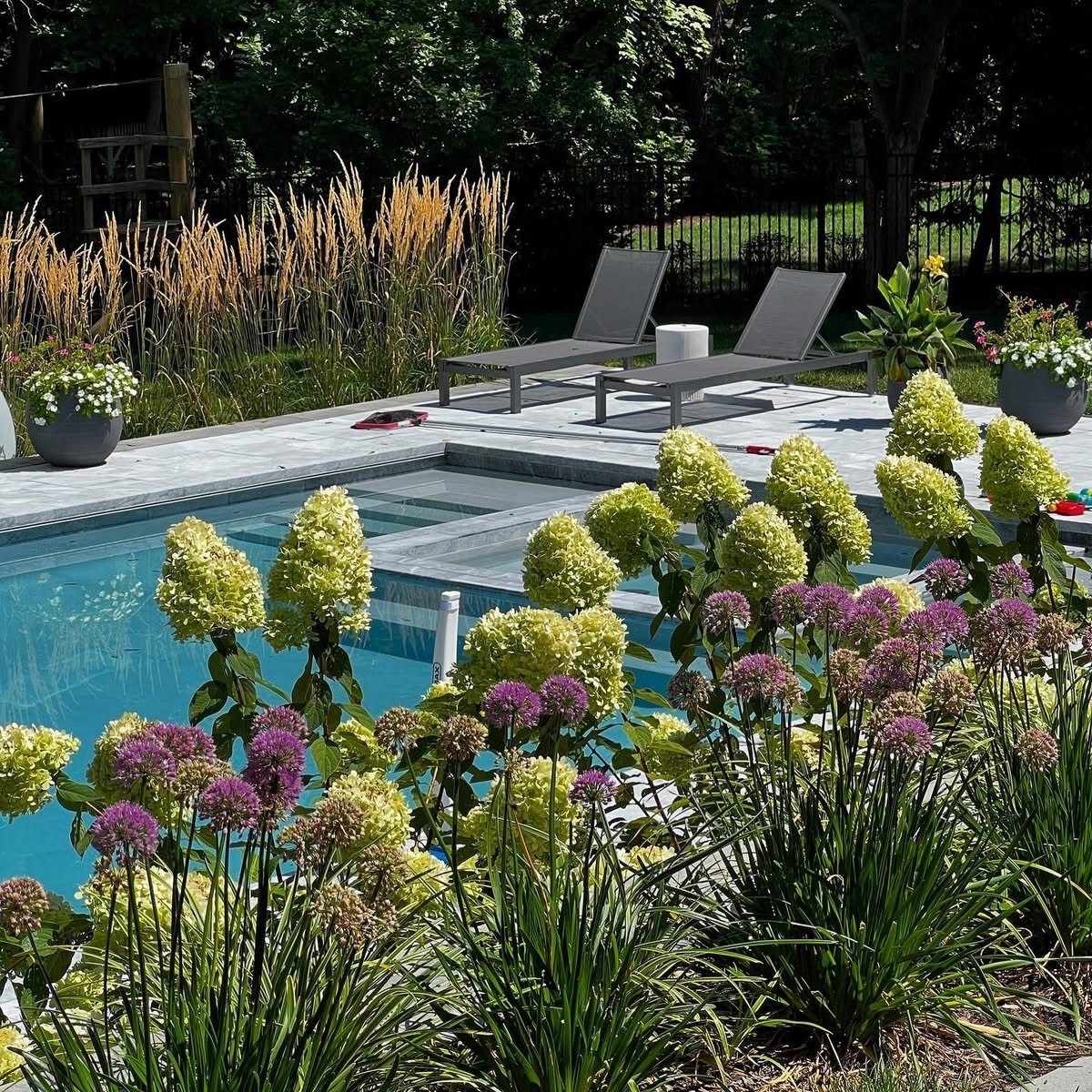
A basic pool surround is just the paving immediately adjacent to the water. Poolscaping, however, treats the pool, planting, masonry, and lighting as a single, unified composition—ensuring the pool reads as a natural extension of the landscape rather than an object dropped into the yard. Plant selection near New Jersey pools requires specialized horticultural knowledge: materials must tolerate high reflected heat, shed minimal debris into the water, and avoid attracting heavy bee activity during peak swim season. Hardy choices like Blue Oat Grass, Liriope, and upright ornamental grasses thrive in our local climate while providing excellent texture. Explore our dedicated pool landscaping page to see how we design these seamless transitions across the region.
9 – A Four-Season Planting Plan with Year-Round Structure
A landscape designed solely for June leaves you with a bare property all winter—meaning you’ve paid for a full-scale installation but only get a six-month garden. A genuine four-season landscape relies on evergreens and trees with striking winter silhouettes to anchor the yard all year, creating a permanent visual framework that holds the space together even after leaves fall and perennials die back. For our local Zone 6b/7a climate, this means pairing structural options like American Holly (Ilex opaca) for year-round screening and winter berries with Little Lime Hydrangeas for reliable late-summer color, and Karl Foerster feather reed grass for fall movement that maintains its texture right through the snow. ou can look up these varieties and explore other regional options using the Jersey-Friendly Yards database.
Design note: Always develop your planting plan alongside the initial hardscape layout, rather than treating it as a post-construction addition.
10 – A Garden Bed Refresh That Frames the Outdoor Living Area
Many properties across North Jersey feature mature, healthy plantings that are absolutely worth preserving—but the surrounding beds have become overgrown or incoherent over time. A thoughtful garden bed refresh preserves your valuable existing plants, clears away material that has outlived its purpose, and introduces new textures to create a cohesive frame around your patio or fire feature. It is a highly effective, targeted investment that prevents your landscaping from looking like an afterthought.
Our specialized garden bed refresh service is designed to do exactly this: improve curb appeal, define your gathering areas, and introduce seasonal structure that complements your home’s architecture.
11 – Privacy Screening That Solves the “Fishbowl” Problem
In developed neighborhoods like Morristown, Madison, and Chatham, close neighbors and open sightlines are incredibly common. While a standard fence blocks light and creates a harsh, confining edge, strategic plant material provides a lush sense of enclosure without making the yard feel closed off.
For reliable year-round screening in our climate, Green Giant Arborvitae offers fast growth, while American Holly brings rich winter berries and a finer texture that suits older, formal properties. If you prefer a more naturalistic, layered screen, a mixed planting of Inkberry Holly, Bayberry, and Switchgrass beautifully softens neighboring structures and dampens local traffic noise. For spaces where privacy cannot wait three to five years for root establishment, installing trellis panels with climbing vines delivers immediate visual relief.
12 – A Phased Build Plan That Prioritizes High-Impact Features First
A complete outdoor transformation is a significant investment. If you are looking for outdoor living space ideas that maximize a budget over time, a phased build plan works beautifully. Spreading the construction over two or three seasons allows you to implement high-end features without compromising on material quality—provided the entire master design is fully finalized before Phase 1 begins.
A front-loaded design process protects your investment. For example, running underground electrical conduit for future lighting or gas lines for a future kitchen must happen during the initial excavation, even if those features won’t be installed until a later year. For a deeper look at how this sequence works within a complete project, our our complete guide to outdoor living spaces in Northern NJ covers the entire design-to-build journey in full.
When mapping out a multi-season project, we typically structure the timeline to maximize usability from day one:
- Phase 1: Hardscape Base & Fire Feature — This establishes the foundation of your outdoor room and includes the main patio paving and fire pit or fireplace, giving you immediate usability.
- Phase 2: Outdoor Kitchen & Overhead Structure — Once the core footprint is established, this phase layers in the cooking utilities, utility connections, and structural shade like a pergola.
- Phase 3: Lighting, Water Features & Final Planting — The final phase wraps up the project by adding the sensory layers, automated low-voltage lighting, and softscapes that completely finish the space.
Bringing Your Outdoor Living Space Ideas Together
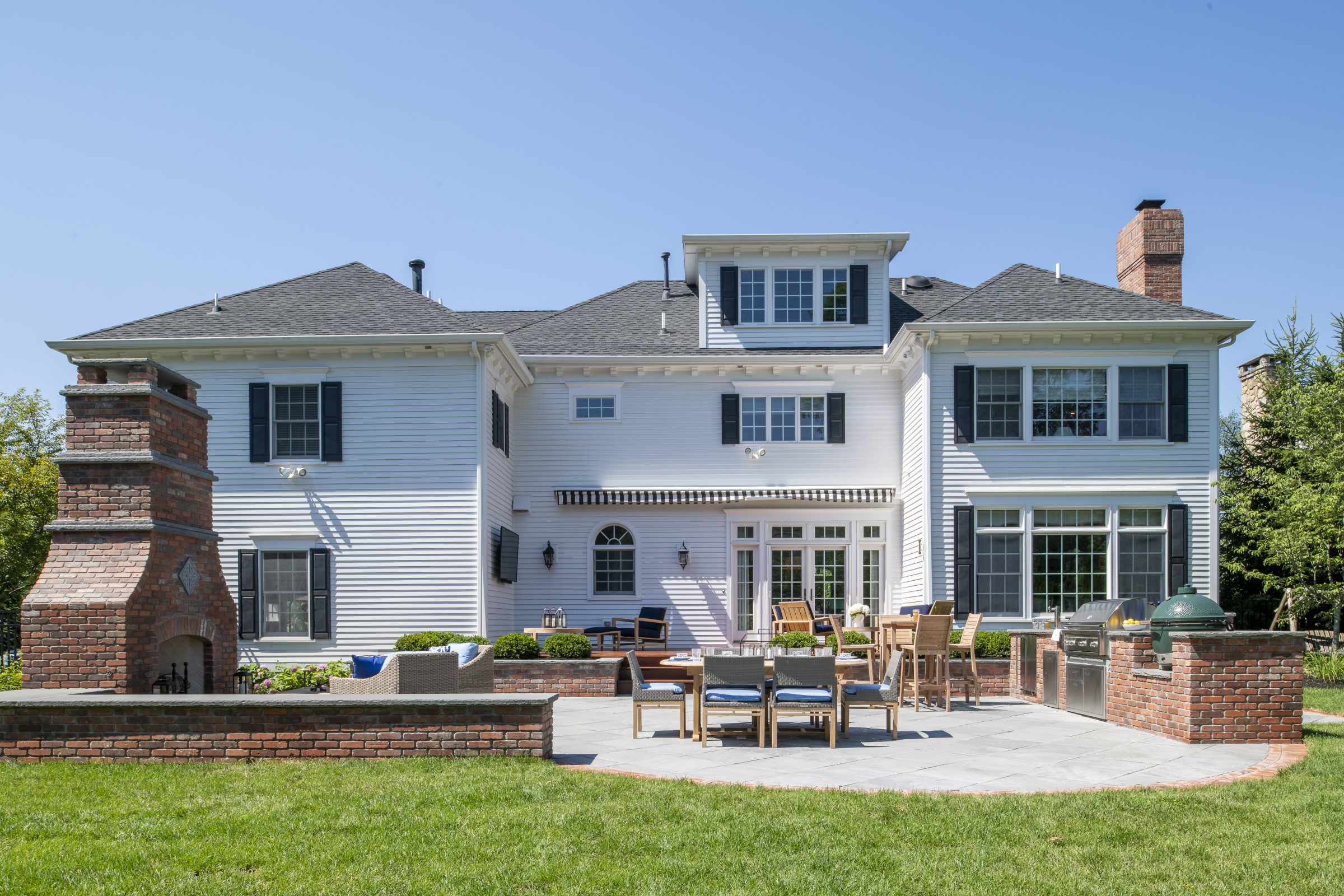
The most successful outdoor living spaces are never built around a single isolated feature—they are designed as complete, unified environments. A custom patio only achieves its full potential when privacy screening, integrated lighting, and local zoning codes are factored into the layout from the very beginning. In Northern New Jersey, that means balancing creative concepts with regional realities like structural snow loads, heavy drainage, and hardy Zone 6b plant selections. Whether you choose to build your vision all at once or implement a phased build plan over several seasons, a master site plan ensures that every element works together seamlessly.
Translating these ideas into a tailored layout that respects your property’s unique topography takes an experienced partner. Since 1976, Limbach’s has designed and built custom outdoor living spaces in Northern New Jersey that stand the test of time.
When you are ready to explore what is possible for your yard, reach out to Request a Consultation with our team. There is no obligation for our initial conversation—just a practical look at how to bring your vision to life.
Summary
Creating a functional outdoor living space in NJ requires more than choosing features that look good in photos. Local climate conditions, freeze-thaw cycles, soil characteristics, and seasonal use all play a role in the longterm success of your landscape design. From custom patios and outdoor kitchens to privacy screening, poolscaping, and four-season planting plans, each concept in this guide is selected for long-term performance in Northern New Jersey. Whether you are planning a complete backyard transformation or tackling improvements in phases, a thoughtful design process ensures every investment adds lasting value, comfort, and year-round enjoyment to your property.
Tags: